NARUTOが無料で全巻読める漫画アプリってないの!?
と思っていませんか?そんなあなたのために「NARUTO」が全巻読めるマンガアプリ・サイトを紹介します。
それではさっそく行きましょう。
NARUTOが全巻読める無料漫画アプリ・サイトは?
それがこの3つ。

↓この通り。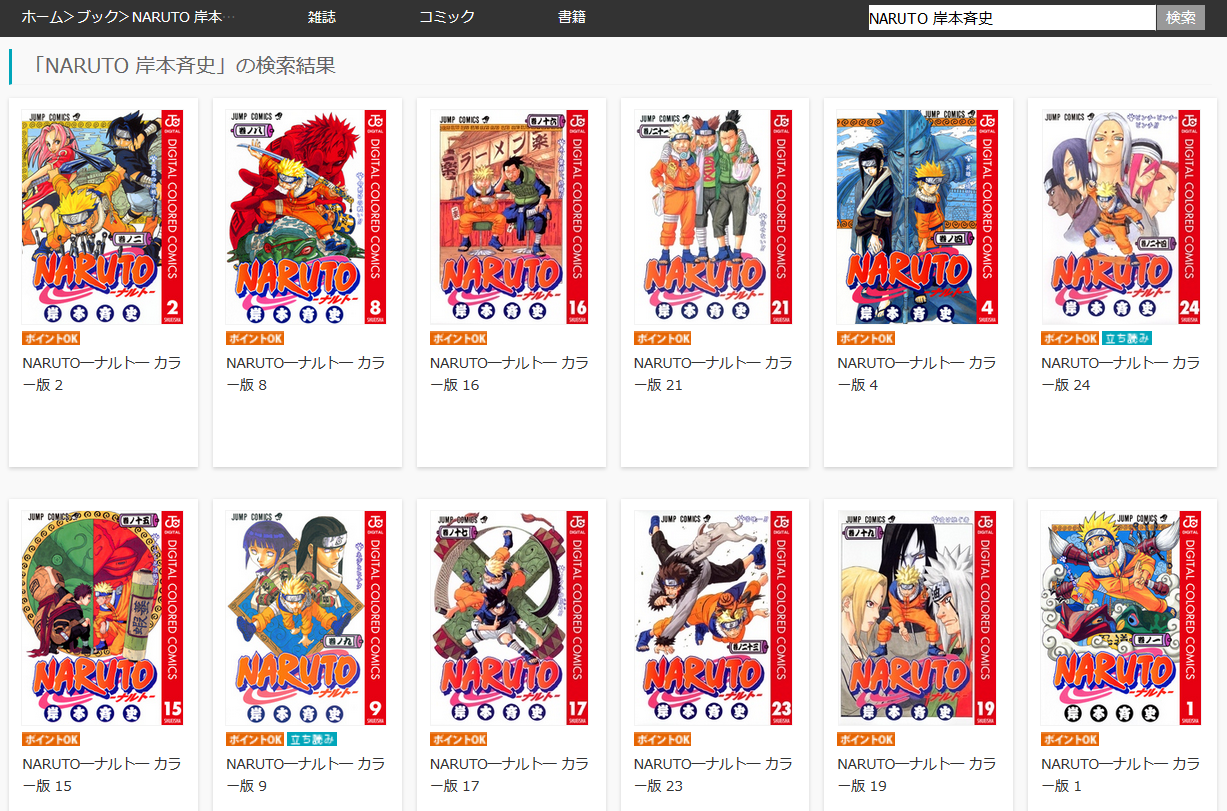
さくっと比較表にて。
| 配信 | 形式 | 特徴 | |
|---|---|---|---|
| 1位.U-NEXT オススメ! |
◯ 配信中 |
サイト型 | 無料登録 アニメも見れる |
| 2位.FOD オススメ! |
◯ 配信中 |
サイト型 | 無料登録 アニメも見れる |
| 3位.music.jp | ◯ 配信中 |
サイト型 | 無料登録 アニメも見れる |
| 4位.マンガBANG | ✕ 未配信 |
アプリ型 | - |
| 5位.マンガPark | ✕ 未配信 |
アプリ型 | - |
| 6位.マガポケ | ✕ 未配信 |
アプリ型 | - |
| 7位.ジャンプ+ | ✕ 未配信 |
アプリ型 | - |
| 8位.マンガワン | ✕ 未配信 |
アプリ型 | - |
| 9位.ピッコマ | ✕ 未配信 |
アプリ型 | - |
| 10位.マンガZERO | ✕ 未配信 |
アプリ型 | - |
これらはジャンプ系、マガジン系、サンデー系など出版社を問わず様々な漫画がラインナップされています。
特におすすめは「1位.U-NEXT」と「2位.music.jp」
この2つは初回登録時にもらえるポイントを使えば無料で漫画を読むことができます。
また、31日以内に解約すればお金は一切かからないので、ポイントだけをうまく使って完全無料で漫画を読みましょう。
なお、ポイントがもらえるのは今だけなので、とりあえず2つとも登録だけしておくとお得です。
読める作品は常に変わりますので、目的の漫画が読めるかどうかは必ずリンク先でお確かめください。
なぜ無料で読めるかはこちら。
本当に無料?仕組みを図解で説明
マンガもアニメも無料の「ユーネクスト」
U-NEXTは無料で漫画が読める電子コミック。
実のところ、マンガを読むならユーネクストが最強。
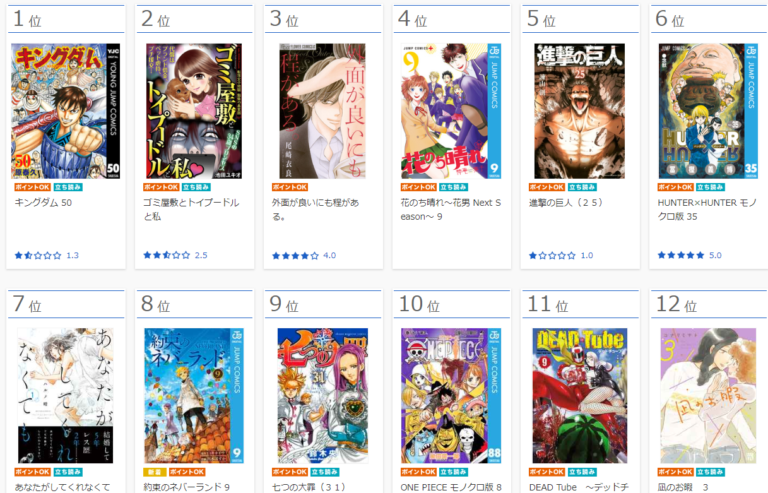
進撃の巨人、キングダム、ベルセルク、ONE PEICEなど超人気タイトルがダントツに多い。
↓こんな感じ。
アニメも2,000作品を見ることができます。
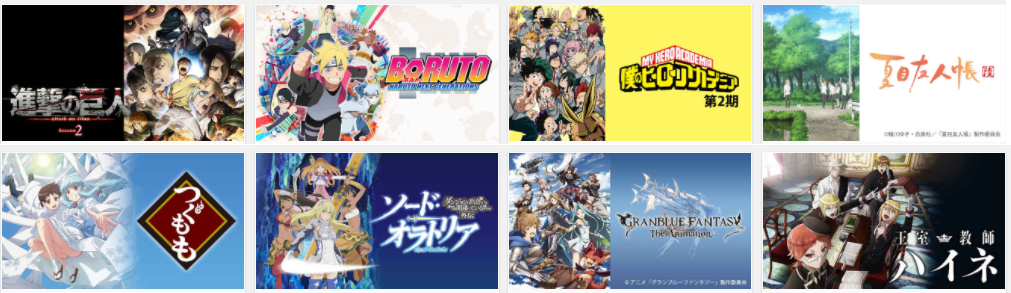
しかも登録から31日間は完全無料。31日以内に退会すれば料金は一切かかりません。
クレジットカードを登録する必要はありますが、安心してください。31日以内に解約さえすれば完全無料です。
マンガは初回登録時に加算される600ptや毎月付与される1,200ptをうまく使うことで無料で読むことができます。
100万人が使っている人気サービス。無料に興味がない人は登録しないでください。
登録は1分で終わるので悩んでる時間が損ですよ。
登録するなら今のうちが絶対おすすめ。



読める漫画の作品数は違うもの、music.jpやFODも同じ。漫画、アニメが見放題です。
無料期間や無料ポイントのある「U-NEXT」と「music.jp」は今のうちに登録だけでもしておいたほうがお得ですよ。
解約は30秒ほどで簡単にできます。詳細はこちら。
U-NEXTを解約する方法
漫画が無料で読み放題の「FOD」
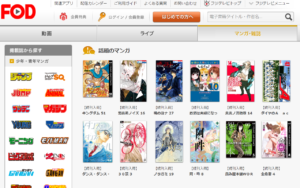
FODは動画配信サービス。でも電子コミックも相当数配信されています。
無料で読める漫画は2018年8月時点で1067件。話題のコミックも特集として無料配信されています。
有料の漫画も多くありますが、初回登録時にもらえるポイントを使うことで無料で読めちゃいます。
登録は簡単。Amazonアカウントなどを利用して簡単に登録できます。
解約は30秒ほどで簡単にできます。詳細はこちら。
FODを解約する方法
マンガが全巻無料で読み放題「music.jp」
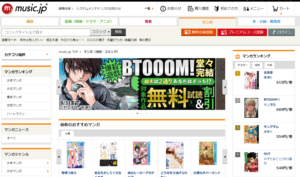
music.jpも無料コミックを配信しています。
会員登録することで付与されるポイントを活用すれば漫画を無料で読むことができます。最新刊もOK。
また、紙媒体で買うよりも少し価格が抑えられており、お得に購入出来るだけでなく、10%ポイント還元しているため10冊購入すると1冊分が実質無料になります。
最新刊を頻繁に購入するなんていう方は、music.jpの利用がお得かもしれませんね。
解約は30秒ほどで簡単にできます。詳細はこちら。
music.jpを解約する方法
漫画村とURL
wikiより引用。
2016年に「登録不要で完全無料な」漫画サイトとして開設された。違法コピーされた書籍をインターネットブラウザ上で誰でも無料で読むことができた。漫画の他に、雑誌、小説、写真集の海賊版を掲載していた。
漫画村のURLはこちら。
http://mangamura.org/
違法なので今はアクセスできなくなっています。
漫画村と言えば、Twitterの公式アカウントがつぶやいた下記のツイートが物議を醸しました。
いまだにDMで「復活まだ?」「はよ復活させろカス」みたいなメッセージが毎日届くんだけど、この国大丈夫なのか心配だよ。
まずこのアカウントが本物だと思ってることが知的底辺層。ネット辞めろ。向いてない。さらにモラル底辺層。違法サイト使うな。漫画買え。
— 漫画村【公式】 (@mangataun) 2019年1月4日
まんがタウンとURL
まんがタウンも漫画村の代わりとして期待されたサイトです。
まんがタウンのURLはこちら。
http://manga-town.net
同じくまんがタウンもアクセスできなくなっています。
まんがタウンと言えばさきほどと同じく、公式と思われていたアカウントの下記発言が物議を醸していました。
復活もなにも漫画村は一度も復活してないよ。漫画タウンに成長したっていうのはデマだよ。あれはもともと存在した別サイト。
メディアも勘違いしてそのまま流してたけど。ちゃんと調べて、正確に。
結局、あれだけ騒ぎになったのにまだ逮捕もされてない。なんだか闇が深いよね。
— 漫画村【公式】 (@mangataun) 2019年1月4日
漫画村の代わりとなると期待された山頂漫画村と漫画塔とまんが村ビレッジ
こちらは完全デマです。存在しないサイトです。
漫画村の代わりになる海外の違法サイトはある?
あるにはあるんですが、マイニングというウィルスが仕込まれるのが常套手段となっており、数万円もするスマホやPCを壊す危険を犯してまでアクセスする意味はないと思います。
漫画を無料で読んでもたかが数千円。スマホ、PCは数万円ですからね。
漫画村の代わりまとめ
結論を言えばこの3サイトに登録してもらうのがおすすめです。大体各サイトともに3冊ずつ無料で読めるので、全て登録すると無料で9冊相当読めます。
数冊で完結していれば全巻無料も夢ではないですからお得ですね。
| 配信 | 形式 | 特徴 | |
|---|---|---|---|
| 1位.U-NEXT オススメ! |
◯ 配信中 |
サイト型 | 無料登録 アニメも見れる |
| 2位.FOD オススメ! |
◯ 配信中 |
サイト型 | 無料登録 アニメも見れる |
| 3位.music.jp | ◯ 配信中 |
サイト型 | 無料登録 アニメも見れる |
| 4位.マンガBANG | ✕ 未配信 |
アプリ型 | - |
| 5位.マンガPark | ✕ 未配信 |
アプリ型 | - |
| 6位.マガポケ | ✕ 未配信 |
アプリ型 | - |
| 7位.ジャンプ+ | ✕ 未配信 |
アプリ型 | - |
| 8位.マンガワン | ✕ 未配信 |
アプリ型 | - |
| 9位.ピッコマ | ✕ 未配信 |
アプリ型 | - |
| 10位.マンガZERO | ✕ 未配信 |
アプリ型 | - |
詳細
naruto 主 な 登場 人物
naruto 漫画
ナルト ボルト
ナルト 登場人物
ナルト サスケ
うずまきナルト
ナルト キャラクター
ナルト ゲーム
ナルト 最終回
naruto 疾風伝
無料NARUTOと言ったところで、読み放題を望むなら、それ相当のメソッドが必要不可欠です。
ネットサーフィンをしてみると、何だかんだと読み放題法を載せているものもございますので、覗いてみることをおすすめしたいと思います。
漫画アプリへの登録を終えたからと言って、NARUTOの課金漫画が提供されることはありません。
安心できる全巻を用いて、課金漫画を入手する方が手堅いので、こちらをおすすめしたいと思います。
もはやどんな種類のゲームにつきましても、オンライン要素はつきものになりました。
その意味からも、対戦型のゲームの粗方は、課金なしでは勝利できないと断言する人もいます。
聞いたところでは、人気抜群のスマートフォンを介して「ソーシャルゲーム」に挑んでいる人が、日本の国のゲーム市場のおよそ50%に到達したらしいです。
収入額は大きくはありませんが、キッチリと実践した分だけお金にできるというお小遣いサイトを通じて、アプリダウンロードで利潤を得ることをおすすめします。
無料NARUTOにおける楽しみは、もちろんイベントだと言って間違いないでしょう。
上位に入る様な事があれば景品が供されますから、無課金以外のゲームはしない人からしたら、イベントは力が入ってしまうものだと言えます。
無料でダウンロードが認められている最新NARUTOのどこかに「アプリ内課金有り」との文言があると思いますが、シンプルに言うと、タフなキャラクターを手に入れて前に進んでいくゲームだと言えます。
当たりキャラクターが登場するまで、何度でもスタート時からゲームをやり直す方法をリセマラと読んでいるのです。
人気を保っているNARUTOを見ますと、必ずと言って良いほど実施されている方法だと聞いています。
ここに来て子供のみならず、大の大人までが没頭しているソーシャルゲーム。
知名度のあるモンスターストライクないしはパズル&ドラゴンズ、これ以外にはLINEのディズニーツムツムなどが高い人気を誇ります。
ソーシャルゲームは、どんな要因があって短い期間でスマホに特化したゲームマーケットで圧倒的な存在感を示せたのでしょう?そこには、アプリ開発のしやすさと各種口コミ効果というファクターがあると指摘されています。
当然のこと、無課金や少々のみ課金するユーザーというのが、業界の90%前後を占めているという形で、暇な時に少々楽しんでいるというだけですから、一つのNARUTOが長期間愛されることは不可能だと言えそうです。
そこそこのレベルまでは無課金だとしても進行させられますが、更なる局面に進む場合には、課金可能なお金を所持している方が有利になるというのはある意味当然です。
多くの場合SNSを経由でDLされ、パソコンであるとかスマホで気軽に遊ぶことができるソーシャルゲームは人気抜群で、アクションだったりRPGなど広範囲に亘るジャンルが揃っています。
安心してプレイしていただけるのならと考えておりますが、把握しておいていただきたいことがあるのです。
はっきり申し上げて、無料であっても、漫画課金があることも考えられるので、念入りに利用規約を読んでおいていただきたいのです。
流行の最先端を行くスマートフォンに向けては、専用のアプリケーションが様々案内されており、注目を集めているNARUTOアプリケーションもたくさんあります。