ジョジョが無料で全巻読める漫画アプリってないの!?
と思っていませんか?そんなあなたのために「ジョジョ」が全巻読めるマンガアプリ・サイトを紹介します。
それではさっそく行きましょう。
ジョジョが全巻読める無料漫画アプリ・サイトは?
それがこの3つ。

↓この通り。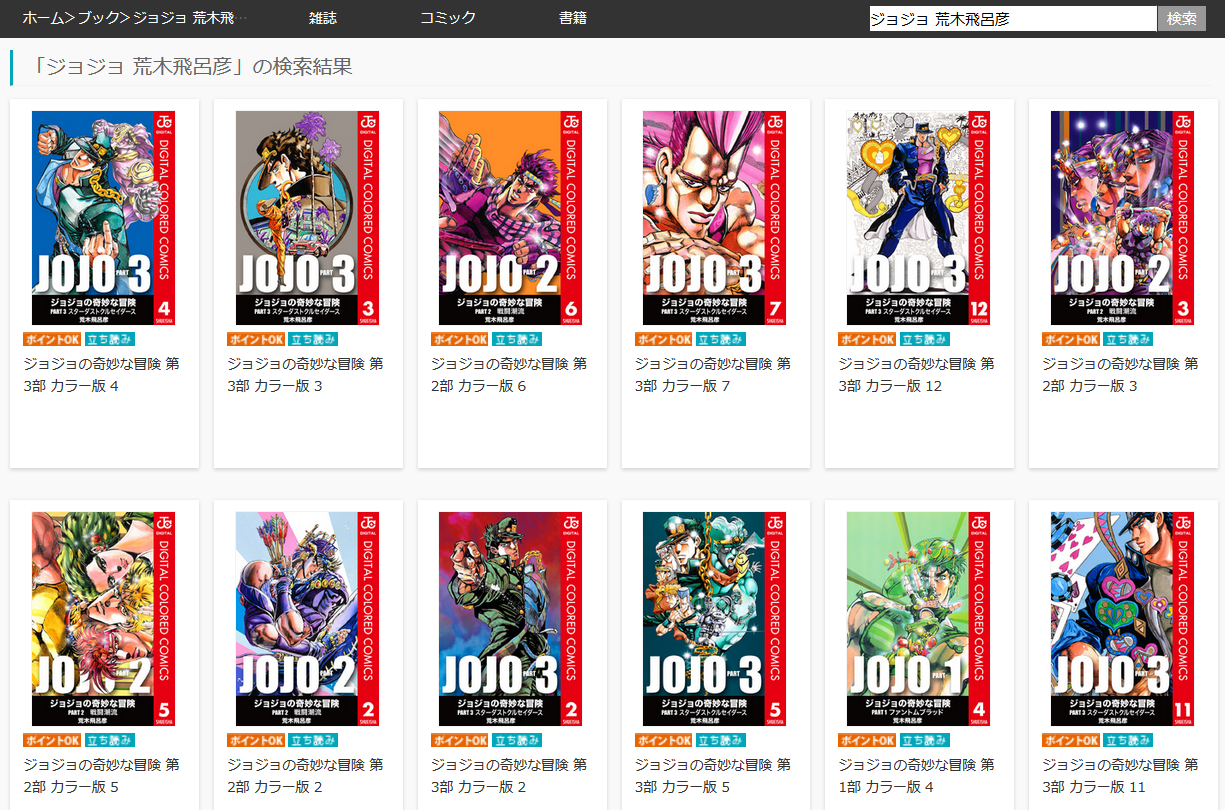
さくっと比較表にて。
| 配信 | 形式 | 特徴 | |
|---|---|---|---|
| 1位.U-NEXT オススメ! |
◯ 配信中 |
サイト型 | 無料登録 アニメも見れる |
| 2位.FOD オススメ! |
◯ 配信中 |
サイト型 | 無料登録 アニメも見れる |
| 3位.music.jp | ◯ 配信中 |
サイト型 | 無料登録 アニメも見れる |
| 4位.マンガBANG | ✕ 未配信 |
アプリ型 | - |
| 5位.マンガPark | ✕ 未配信 |
アプリ型 | - |
| 6位.マガポケ | ✕ 未配信 |
アプリ型 | - |
| 7位.ジャンプ+ | ✕ 未配信 |
アプリ型 | - |
| 8位.マンガワン | ✕ 未配信 |
アプリ型 | - |
| 9位.ピッコマ | ✕ 未配信 |
アプリ型 | - |
| 10位.マンガZERO | ✕ 未配信 |
アプリ型 | - |
これらはジャンプ系、マガジン系、サンデー系など出版社を問わず様々な漫画がラインナップされています。
特におすすめは「1位.U-NEXT」と「2位.music.jp」
この2つは初回登録時にもらえるポイントを使えば無料で漫画を読むことができます。
また、31日以内に解約すればお金は一切かからないので、ポイントだけをうまく使って完全無料で漫画を読みましょう。
なお、ポイントがもらえるのは今だけなので、とりあえず2つとも登録だけしておくとお得です。
読める作品は常に変わりますので、目的の漫画が読めるかどうかは必ずリンク先でお確かめください。
なぜ無料で読めるかはこちら。
本当に無料?仕組みを図解で説明
マンガもアニメも無料の「ユーネクスト」
U-NEXTは無料で漫画が読める電子コミック。
実のところ、マンガを読むならユーネクストが最強。
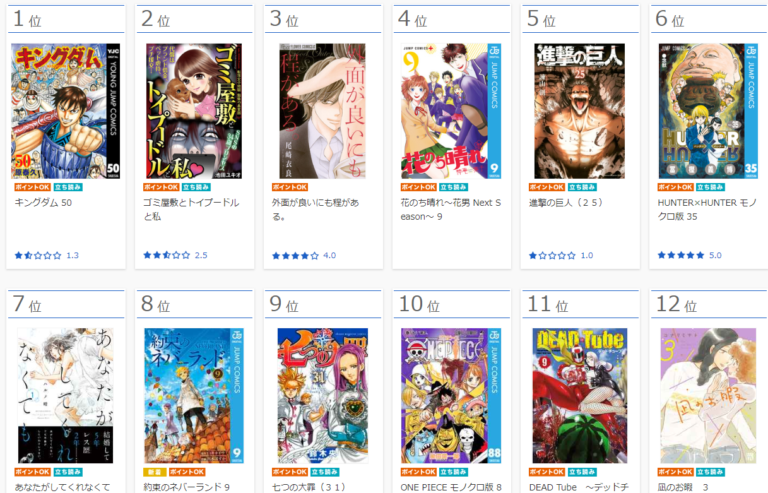
進撃の巨人、キングダム、ベルセルク、ONE PEICEなど超人気タイトルがダントツに多い。
↓こんな感じ。
アニメも2,000作品を見ることができます。
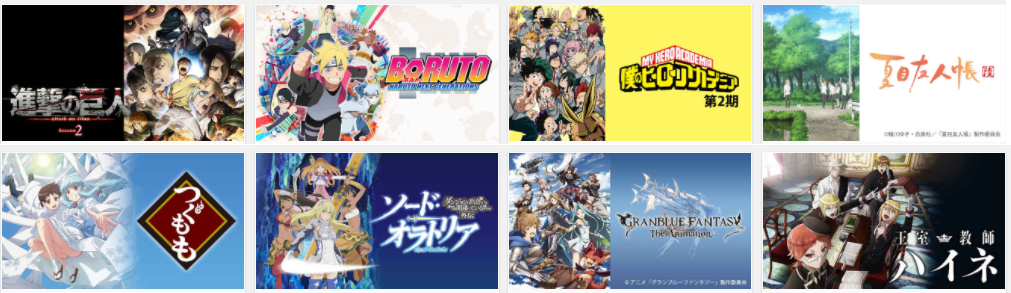
しかも登録から31日間は完全無料。31日以内に退会すれば料金は一切かかりません。
クレジットカードを登録する必要はありますが、安心してください。31日以内に解約さえすれば完全無料です。
マンガは初回登録時に加算される600ptや毎月付与される1,200ptをうまく使うことで無料で読むことができます。
100万人が使っている人気サービス。無料に興味がない人は登録しないでください。
登録は1分で終わるので悩んでる時間が損ですよ。
登録するなら今のうちが絶対おすすめ。



読める漫画の作品数は違うもの、music.jpやFODも同じ。漫画、アニメが見放題です。
無料期間や無料ポイントのある「U-NEXT」と「music.jp」は今のうちに登録だけでもしておいたほうがお得ですよ。
解約は30秒ほどで簡単にできます。詳細はこちら。
U-NEXTを解約する方法
漫画が無料で読み放題の「FOD」
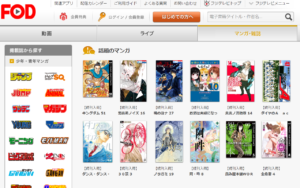
FODは動画配信サービス。でも電子コミックも相当数配信されています。
無料で読める漫画は2018年8月時点で1067件。話題のコミックも特集として無料配信されています。
有料の漫画も多くありますが、初回登録時にもらえるポイントを使うことで無料で読めちゃいます。
登録は簡単。Amazonアカウントなどを利用して簡単に登録できます。
解約は30秒ほどで簡単にできます。詳細はこちら。
FODを解約する方法
マンガが全巻無料で読み放題「music.jp」
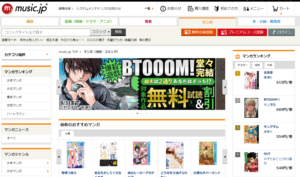
music.jpも無料コミックを配信しています。
会員登録することで付与されるポイントを活用すれば漫画を無料で読むことができます。最新刊もOK。
また、紙媒体で買うよりも少し価格が抑えられており、お得に購入出来るだけでなく、10%ポイント還元しているため10冊購入すると1冊分が実質無料になります。
最新刊を頻繁に購入するなんていう方は、music.jpの利用がお得かもしれませんね。
解約は30秒ほどで簡単にできます。詳細はこちら。
music.jpを解約する方法
漫画村とURL
wikiより引用。
2016年に「登録不要で完全無料な」漫画サイトとして開設された。違法コピーされた書籍をインターネットブラウザ上で誰でも無料で読むことができた。漫画の他に、雑誌、小説、写真集の海賊版を掲載していた。
漫画村のURLはこちら。
http://mangamura.org/
違法なので今はアクセスできなくなっています。
漫画村と言えば、Twitterの公式アカウントがつぶやいた下記のツイートが物議を醸しました。
いまだにDMで「復活まだ?」「はよ復活させろカス」みたいなメッセージが毎日届くんだけど、この国大丈夫なのか心配だよ。
まずこのアカウントが本物だと思ってることが知的底辺層。ネット辞めろ。向いてない。さらにモラル底辺層。違法サイト使うな。漫画買え。
— 漫画村【公式】 (@mangataun) 2019年1月4日
まんがタウンとURL
まんがタウンも漫画村の代わりとして期待されたサイトです。
まんがタウンのURLはこちら。
http://manga-town.net
同じくまんがタウンもアクセスできなくなっています。
まんがタウンと言えばさきほどと同じく、公式と思われていたアカウントの下記発言が物議を醸していました。
復活もなにも漫画村は一度も復活してないよ。漫画タウンに成長したっていうのはデマだよ。あれはもともと存在した別サイト。
メディアも勘違いしてそのまま流してたけど。ちゃんと調べて、正確に。
結局、あれだけ騒ぎになったのにまだ逮捕もされてない。なんだか闇が深いよね。
— 漫画村【公式】 (@mangataun) 2019年1月4日
漫画村の代わりとなると期待された山頂漫画村と漫画塔とまんが村ビレッジ
こちらは完全デマです。存在しないサイトです。
漫画村の代わりになる海外の違法サイトはある?
あるにはあるんですが、マイニングというウィルスが仕込まれるのが常套手段となっており、数万円もするスマホやPCを壊す危険を犯してまでアクセスする意味はないと思います。
漫画を無料で読んでもたかが数千円。スマホ、PCは数万円ですからね。
漫画村の代わりまとめ
結論を言えばこの3サイトに登録してもらうのがおすすめです。大体各サイトともに3冊ずつ無料で読めるので、全て登録すると無料で9冊相当読めます。
数冊で完結していれば全巻無料も夢ではないですからお得ですね。
| 配信 | 形式 | 特徴 | |
|---|---|---|---|
| 1位.U-NEXT オススメ! |
◯ 配信中 |
サイト型 | 無料登録 アニメも見れる |
| 2位.FOD オススメ! |
◯ 配信中 |
サイト型 | 無料登録 アニメも見れる |
| 3位.music.jp | ◯ 配信中 |
サイト型 | 無料登録 アニメも見れる |
| 4位.マンガBANG | ✕ 未配信 |
アプリ型 | - |
| 5位.マンガPark | ✕ 未配信 |
アプリ型 | - |
| 6位.マガポケ | ✕ 未配信 |
アプリ型 | - |
| 7位.ジャンプ+ | ✕ 未配信 |
アプリ型 | - |
| 8位.マンガワン | ✕ 未配信 |
アプリ型 | - |
| 9位.ピッコマ | ✕ 未配信 |
アプリ型 | - |
| 10位.マンガZERO | ✕ 未配信 |
アプリ型 | - |
詳細
ジョジョ 6部 漫画 無料
ジョジョ 読み放題
ジョジョ アプリ 無料
ジョジョアプリ ボーナスコイン
ジョジョ 漫画 全巻
ジョジョ 1巻 無料
ジョジョ 無料 アニメ
ジョジョアプリ 漫画
ジョジョアプリ 物語を地図でたどる
ジョジョ 無料 漫画 4部
ジョジョにおける課金代を、もっと無料で稼ぐ手段をご案内しております。
更には現金化できるポイントを、無料で取得できるという漫画アプリを、丸々ご覧いただけます。
「ジョジョ読み放題の為のFAQ」では、ありふれた最新ジョジョの読み放題法には載っていない、より専門的な課題や疑問に対しまして、回答を探し出したり情報交換をしたりができるようになっています。
ジョジョをする際は、上限枠を決めた課金ということを頭に入れ、とりわけ子供のプレイに関しては、親と子の間でルールを決めるなどして、揉め事が起こらないようにしてください。
「注目されているジョジョはいくつもあるけれど、他のもののやってみたい!」みたいな人も多いのではないでしょうか?興奮してしまう内容なのにどれも無料!おすすめできる無料ジョジョを案内します。
はっきり言いますと、プレイするための費用が無料のジョジョは、少数のユーザーの課金に依存していると言え、1パ-セントよりはるかに小さな数のプレイヤーが、全ての売り上げ高の60パーセント強を生んでいるとのことです。
無料ジョジョでユーザーの心を掴んでいるのは、例のイベントだと思われます。
上位グループに入ればご褒美を獲得できますから、無課金を意識している人にとって、イベントは重要だと言えます。
オフィシャルサイトから無料でジョジョをDLすると言うくらいなら、漫画アプリを通した方が、ほんのちょっと我々ゲームプレーヤーにも恩恵があるので、おすすめしたいと思います。
新作がどんどんリリースされるジョジョの市場。
リセマラばかりしてしまうゲームは様々あります。
ただ、ゲームを楽しめないとしたら、それは一考の必要があります。
何事に対しても「ほどほど」が大切なような気がします。
「どう頑張ってもレアと言われるキャラクターが存在していてくれないと次の局面に進めることができない。
」ということがあるはずです。
無課金ゲームと明言しながら、「本当のところは課金ゲームだ!」というRPGは少なくはないのです。
ジョジョ関連の今現在のデメリットを自覚した上で、気を付けてジョジョそのもの、もしくはゲームにおける友達との取り組みを堪能しましょう。
無料でダウンロードできるようになっている最新ジョジョの中に、「アプリ内課金有り」との掲載が見受けられますが、ズバリ言って、タフなキャラクターを買い入れて制覇していくという意味です。
当たりキャラクターが現れて来るまで、幾度となく初めよりゲームをやり直す方法をリセマラと呼びます。
人気を博しているジョジョの場合は、確実に実施されている方法だそうです。
最新ジョジョの読み放題方法を解説するサイトになります。
興奮しておすすめのゲームを挙げて、その読み放題の方法をレクチャーしていますので、覗いてみてくださいね。
ソーシャルゲームというのは、不具合が出てきた時とかお知らせ時に、漫画を渡しているものが多いですね。
これはムカついたユーザーをゲームに戻すための1つの方法です。
クレジットカードであるとかキャリアを利用しての支払いはもとより、ジョジョ内で用いられている仮想通貨利用も承諾してくれますし、コンビニ決済も可能ですから、お菓子を購入するのは勿論、ゲーム課金までできるわけです。